 Apr 16 2021
  Apr 19 2021
  May 05 2021
  May 07 2021
  May 15 2021
  May 17 2021
 © 2022 All rights reserved Worktop Library
By:
Mar 10, 2026
0 Comments
Ever walked into a home and felt that everything just looked right? The layout felt balanced, the design seemed thoughtful, and the space had a special charm. Often, this feeling comes from small details, like the thickness of the worktop. When planning a kitchen or workspace, most people focus on colour and material first. But one important question is often missed: how thick should your worktop be? The difference between a 12mm worktop and 30mm worktops may seem minor on paper, yet it can completely shift the personality of your home. Let’s see how.
Breaking Down the Basics: Slim vs Substantial
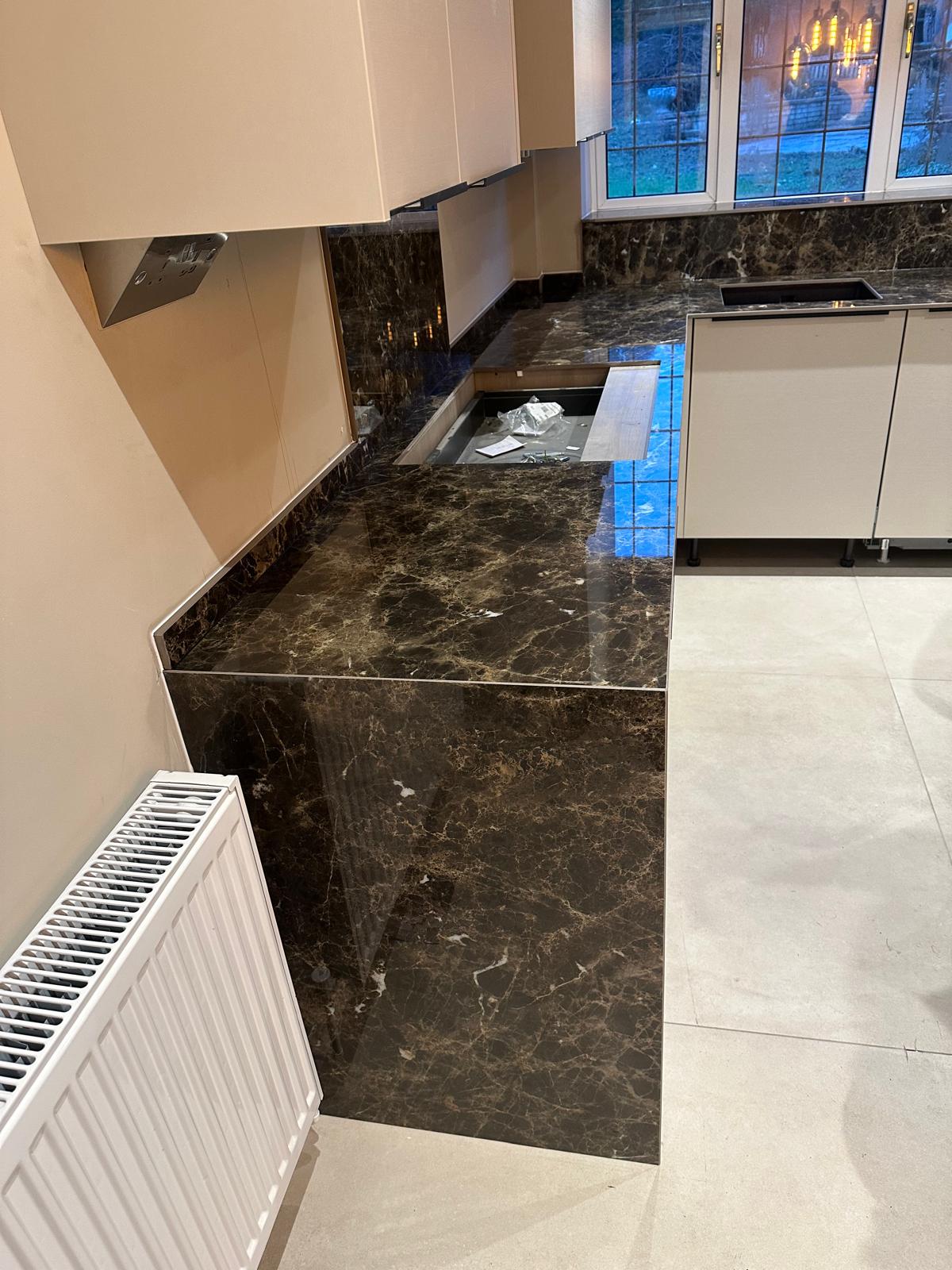
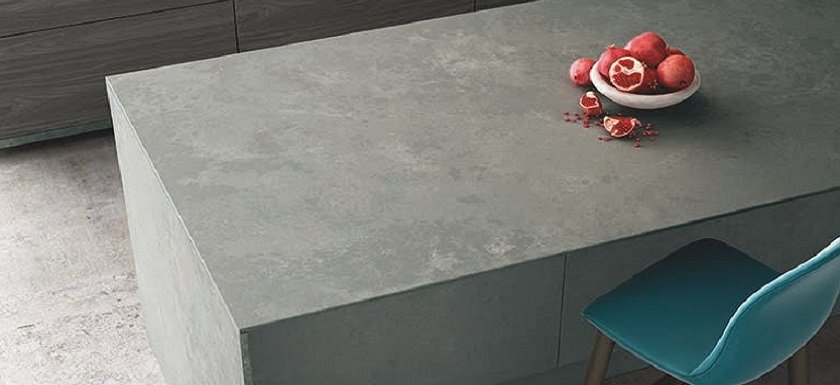
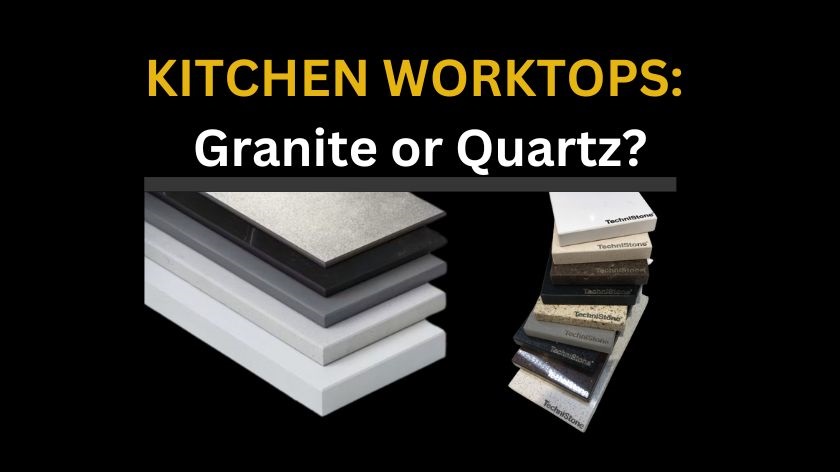
So, what’s the difference? It’s all about measurement. A 12mm worktop is narrow, smooth, and very contemporary. Nevertheless, 30mm worktops are more substantial, dense, and heavier-looking. However, the impact goes beyond numbers. A narrow worktop makes your kitchen appear sharp and contemporary. It looks amazing with handleless doors, waterfall edges, and open-plan kitchen layouts, in which the appearance is quite purposeful and highly constructivist. A thicker worktop, on the other hand, is presence-creating. It makes the room feel more stable. In traditional or transitional kitchens, the extra thickness feels balanced and comforting. In the end, the real difference depends on size and personal taste.
Durability and Strength: How Thickness Affects Longevity
Here’s most individuals make the assumption of the fact that thick is stronger. But this isn’t always the case. In the UK, standards for kitchen furniture and surfaces (which specify performance for surface finishes, edging, and structural strength) emphasise material performance and correct installation over nominal thickness when assessing long-term durability. Designed materials are made durable regardless of the thickness. A properly fabricated 12mm worktop can offer the same level of resistance to everyday wear, including scratches, stains, and heat, as thicker alternatives. However, the strength today often comes from material technology, not just mass.
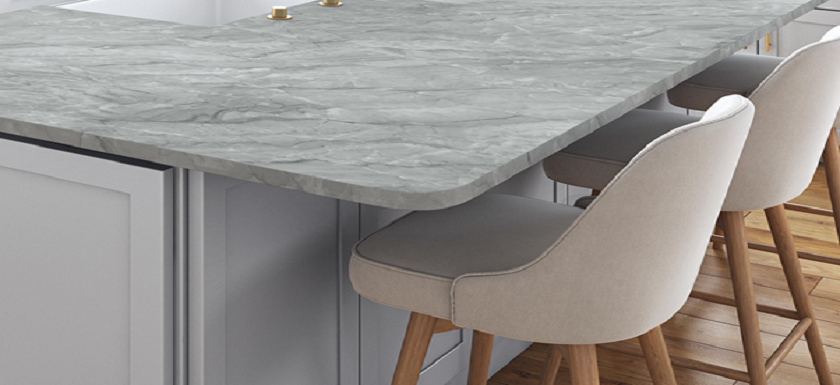
Nonetheless, worktops that are 30mm do give a psychological boost of power. The added thickness can feel more powerful and robust, particularly in busy kitchens where pots and pans are used in a very heavy manner.
Installation quality matters just as much as thickness. Poor fitting can compromise any surface, while expert installation ensures longevity, whether you choose slim or substantial. Maybe we should ask something different from the question of which one is stronger, the query of how the kitchen will actually be used.
Design Impact: Slim Elegance or Bold Presence?
This is where the choice becomes subjective. A 12mm counter provides a slim, almost seamless finish. It doesn’t dominate the cabinets, but suits highly modern, Scandinavian, and minimalist kitchens. In smaller kitchens, especially, slim profiles help the space feel light and open instead of bulky. Conversely, the 30mm units are statement pieces. They add visual interest and definition. In larger kitchens, they add balance and ensure that surfaces don’t appear too slim or understated. Furthermore, it’s like fashion. Slim-line designs are modern and sleek. Structured designs are bold and classic.
Budget and Installation: The Practical Side
Budget, of course, is a natural consideration. Thickness can affect the price, as thicker surfaces require more material and additional support, which can increase overall costs.
Sometimes a 12mm countertop can be considered a luxury option due to its contemporary look and detail of fabrication. Slim profiles usually require a tailored cutting and professional finishing, especially on a waterfall edge or smooth junction. Though 30mm counters can impose extra weight on the cabinet and might demand more support. The installation process is straightforward, but the added weight means it must be handled carefully during fitting.
Cabinetry is also connected with practicality. Certain forms of cabinets look more appealing with one of the thick worktops as compared to the other. Proportion matching makes the final design look purposeful and not clumsy.
So before deciding, consider not just the price tag, but how the thickness works with your layout, cabinetry, and overall vision.
Final Thoughts: It’s About Balance, Not Just Measurement
Standards are not a legal requirement; however, they are an indication of best practice. Making a decision between a 12mm and 30mm worktops is not a question of right and wrong. It’s a question of the story you want your kitchen to tell. If you are a fan of clean lines, elegance, and contemporary design, thinner worktops may seem perfectly in tune with your style. However, if you are a fan of statement, classic design, and architectural presence, thicker worktops may be the better choice.
Close your eyes and imagine your finished kitchen. Does it feel sleek and refined? Or does it feel grounded and powerful? Answer those questions, and the decision on thickness becomes remarkably easy.
Ready to choose? Browse the full 12mm and 30mm collection at The Worktop Library today.